Commercial Law League of America
Western Region Conference
Thursday & Friday, September 17-18, 2026
Sheraton Universal Hotel
Universal City, CA
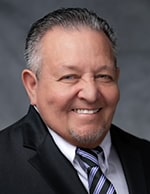
Robert Tyler
Chair, CLLA Western Region
Join us in beautiful Los Angeles for an event of networking, worthwhile educational presentations, and the pleasure of connecting with your friends in the industry.
You will be able to establish new relationships, solidify existing ones, enhance your network, and create additional business opportunities – not to mention earning CLE’s and CEU’s.
Don’t miss out on the chance to update your professional knowledge, share valuable experiences and tips with colleagues. Our agenda has something for everyone and will further your understanding and knowledge of the latest trends and issues in the world of commercial collections.
Enjoy the added bonus of being right outside of Universal Studios Los Angeles California.
We are excited to welcome you to the CLLA 2026 Western Region Annual Conference.
Robert Tyler
Chair, CLLA Western Region
Registration & Hotel Information
Registration & Hotel Reservation Deadline is Monday, August 24, 2026.
Hotel Information
Sheraton Universal Hotel
333 Universal Hollywood Blvd. • Universal City, CA 91608 • (818) 980-1212
We’re Back in Universal City, CA… Join us!
The Sheraton Universal Hotel is nestled beneath the Hollywood Hills, minutes from Universal Studios Hollywood and Universal City. Walk to the Red Line metro for easy access to attractions including the Walk of Fame and TCL Chinese Theatre. The hotel rooms pay homage to our Hollywood history with a sleek, minimalist ambiance.
Meet with colleagues for stimulating, in-depth discussions and attend exclusive education events that will address issues that matter to you and speak to the current state of our industry. Take advantage of the chance to network and learn from others who have knowledge and experience to share. Attend to receive the high-quality education you have come to expect from CLLA in an exciting new location.
Hotel Reservations
A small room block has been reserved for this conference. Making your reservation by phone, call the Reservations Department at 888-627-7186 and request the CLLA 2026 Western Region Conference or Group Code CWRCWRN to receive the group rate.
On-line reservations can be made by visiting this link: https://shorturl.at/Fd4E5
Room Rate: $299/night, single/double occupancy, plus applicable taxes (currently 16.2%). Room cut-off is Monday, August 24, 2026. Hotel cancellation policy is 72 hours prior to arrival without penalty.
Registration Information
Member/Non-Member Registration Fee Includes:
• Educational sessions
• CLE/CEU credits
• Breakfast
• AM/PM Break
• Lunch
• Friday Evening “Happy Hour”
• Thursday Evening dinner, optional. Pre-registration and additional fee required.
Spouse/Guest* Registration Fee Includes:
• Breakfast
• AM Break
• Lunch
• Friday Evening “Happy Hour”
• Thursday Evening dinner, optional. Pre-registration and additional fee required.
Registration Fees

*Disclaimer: CLE credit available to attendees in qualifying states who register on or before Friday, August 14. We cannot guarantee state accreditation after Friday, August 14. **Please note that business colleagues are not eligible to register under this category.
Robert Tyler
Chair, CLLA Western Region
Join us in beautiful Los Angeles for an event of networking, worthwhile educational presentations, and the pleasure of connecting with your friends in the industry.
You will be able to establish new relationships, solidify existing ones, enhance your network, and create additional business opportunities – not to mention earning CLE’s and CEU’s.
Don’t miss out on the chance to update your professional knowledge, share valuable experiences and tips with colleagues. Our agenda has something for everyone and will further your understanding and knowledge of the latest trends and issues in the world of commercial collections.
Enjoy the added bonus of being right outside of Universal Studios Los Angeles California.
We are excited to welcome you to the CLLA 2026 Western Region Annual Conference.
Robert Tyler
Chair, CLLA Western Region
Registration & Hotel Information
Registration & Hotel Reservation Deadline is Monday, August 24, 2026.
Hotel Information
Sheraton Universal Hotel
333 Universal Hollywood Blvd. • Universal City, CA 91608 • (818) 980-1212
We’re Back in Universal City, CA… Join us!
The Sheraton Universal Hotel is nestled beneath the Hollywood Hills, minutes from Universal Studios Hollywood and Universal City. Walk to the Red Line metro for easy access to attractions including the Walk of Fame and TCL Chinese Theatre. The hotel rooms pay homage to our Hollywood history with a sleek, minimalist ambiance.
Meet with colleagues for stimulating, in-depth discussions and attend exclusive education events that will address issues that matter to you and speak to the current state of our industry. Take advantage of the chance to network and learn from others who have knowledge and experience to share. Attend to receive the high-quality education you have come to expect from CLLA in an exciting new location.
Hotel Reservations
A small room block has been reserved for this conference. Making your reservation by phone, call the Reservations Department at 888-627-7186 and request the CLLA 2026 Western Region Conference or Group Code CWRCWRN to receive the group rate.
On-line reservations can be made by visiting this link: https://shorturl.at/Fd4E5
Room Rate: $299/night, single/double occupancy, plus applicable taxes (currently 16.2%). Room cut-off is Monday, August 24, 2026. Hotel cancellation policy is 72 hours prior to arrival without penalty.
Registration Information
Member/Non-Member Registration Fee Includes:
• Educational sessions
• CLE/CEU credits
• Breakfast
• AM/PM Break
• Lunch
• Friday Evening “Happy Hour”
• Thursday Evening dinner, optional. Pre-registration and additional fee required.
Spouse/Guest* Registration Fee Includes:
• Breakfast
• AM Break
• Lunch
• Friday Evening “Happy Hour”
• Thursday Evening dinner, optional. Pre-registration and additional fee required.
Registration Fees
*Disclaimer: CLE credit available to attendees in qualifying states who register on or before Friday, August 14. We cannot guarantee state accreditation after Friday, August 14. **Please note that business colleagues are not eligible to register under this category.
General Sponsorship – $200
Get your firm’s logo placed on the CLLA Events page, conference eblasts, Program, on-site signage, NewsWire, AGENCYAction and opening slides at all sessions.



Exclusive Sponsorship – $250
Multiple Device Charging Station – $250
In addition to the sponsorship benefits above, this exclusive opportunity will prominently display your company logo at the event charging station inside the event room.
General Sponsorship – $200
Get your firm’s logo placed on the CLLA Events page, conference eblasts, Program, on-site signage, NewsWire, AGENCYAction and opening slides at all sessions.
Exclusive Sponsorship – $250
Multiple Device Charging Station – $250
In addition to the sponsorship benefits above, this exclusive opportunity will prominently display your company logo at the event charging station inside the event room.
2026 Schedule of Events
Thursday Evening, September 17, 2026
6:00 p.m.
Optional Dinner at the Smoke House
4420 W. Lakeside Drive
Burbank, CA 91505
818-845-3731
https://www.smokehouse1946.com
(additional charge of $75 per person, pre-registration required, alcohol on your own)
Friday, September 18, 2026
8:00 – 9:00 a.m.
Registration, Breakfast, Welcome & Business Meeting
9:00 – 10:00 a.m.

10:00 – 10:15 a.m.
NETWORKING BREAK
10:15 – 11:15 a.m.
Bankruptcy significantly impacts commercial collections, influencing processes from foreclosures to judgments. When a individuals and businesses file for bankruptcy, it triggers an automatic stay, halting collection actions against the debtor. Creditors must navigate this complex landscape, understanding the different bankruptcy chapters and their implications. We will discuss circumstances in which court have found that collection agencies violate the automatic stay and the repercussions for doing so. We will also discuss the recent case of Ryniker v. Sumec Textile Co., No. 24-2090 (2d Cir. 2026), in which a bankruptcy court determined that service of a preference complaint on a U.S. collection agency was valid service on its client, a Chinese company, even though the collection agency was not specifically authorized to accept service of the complaint. This presentation will also discuss strategies that collection agencies can use to avoid problems and to maximize the recoveries of their claims against bankrupt debtors.
SPEAKER: Johnathan C. Bolton, Partner, Goodsill, Honolulu, HI
11:15 – 11:30 a.m.
NETWORKING BREAK
11:30 a.m. – 12:30 p.m.

This session bridges the gap between legal theory and practical recovery, making it essential for new attorneys building their litigation toolkit, experienced practitioners refining their collection tactics, and collection agency professionals seeking to optimize recovery rates for their clients.
Gary and John will break down the primary legal mechanisms available for enforcement, including wage garnishments, bank levies, and real property liens. Attendees will gain a step-by-step roadmap for executing each alternative, mapping out everything from initial asset discovery to filing the necessary writs. Whether you are seeking to streamline your firm’s collection process or protect a client’s bottom line, this presentation delivers the actionable insights needed to turn a paper judgment into actual recovery.
SPEAKERS: Gary A. Bemis, Principal, Attorney, Law Offices of Gary A. Bemis, Riverside, CA; John S. Carter, Associate Managing Attorney, Law Offices of Gary A. Bemis, Riverside, CA
12:45 – 1:45 p.m.
LUNCH
1:45 – 2:45 p.m.
1. The Real-World Practicalities of Levying
Securing the writ is only half the battle; executing it is where the real friction occurs. You can add significant value by sharing the operational realities of dealing with enforcement:
-
- The Sheriff Bottleneck: In many jurisdictions (especially across California counties), local sheriff civil units are understaffed, slow, or have highly specific, rigid local rules regarding instructions, fees, and scheduling a levy.
- The “Private Eye” Advantage: Emphasize the absolute necessity of pre-application asset searches. A writ is useless if the levying officer arrives at an empty warehouse. Discussing how to deploy private investigators or specialized databases to pinpoint exact bank account numbers, equipment locations, or inventory shifts before filing ensures the remedy hits its mark.
-
- Sister-State Prejudgment Enforcement: What happens when the contract dispute is filed in one state, but the debtor’s primary inventory or equipment is sitting in another (like New Mexico, Texas, or Arizona)?
- Tactical Coordination: How to simultaneously orchestrate a local litigation strategy while using local counsel or specialized collection networks in surrounding states to secure emergency relief before the assets disappear across state lines.
-
- The 90-Day Preference Window: If you successfully attach assets or secure a lien prejudgment, but the debtor files bankruptcy within 90 days, you face a preference lookback.
- The “Secret Weapon” of the Prejudgment Lien: On the flip side, if you successfully execute a prejudgment writ of attachment outside the 90-day preference window, that provisional lien can elevate your client from a completely unsecured trade creditor to a secured creditor in the bankruptcy estate. This completely changes your leverage in subsequent restructuring negotiations.
-
- Weaponizing the Bond Amount: In jurisdictions like California, the statutory minimum bond is often low (e.g., $10,000), but a sophisticated defense attorney will aggressively argue to hike the bond to a massive sum by claiming the attachment will paralyze their business or halt an impending corporate transaction.
- The Malpractice Trap: It’s worth reminding the room of the draconian consequences of a wrongful attachment claim. If the creditor loses the underlying case after tying up the debtor’s assets, the damages can easily exceed the original debt, turning an aggressive collection action into a defensive nightmare for the client.
SPEAKER: Peter Dubowsky, Dubowsky Law Office, Chtd., Las Vegas, NV
2:45 – 3:00 p.m.
NETWORKING BREAK
3:00 – 4:00 p.m.
Join this fast-moving, interactive program designed for collection attorneys and collection agencies nationwide. Using a team-based, survey-answer game format, participants will compete through real- world collection scenarios involving FDCPA compliance, California Rosenthal Act spillover issues for California-based accounts, unauthorized practice of law concerns, communications with represented parties, settlement authority, privacy and data security, and litigation conduct that can reduce exposure to counterclaims and sanctions.
This is not another lecture-heavy compliance program. Participants will test their instincts, compare answers with other collection professionals, and learn practical ways to spot and manage risk from the first demand letter through litigation and resolution. While the program focuses primarily on broadly applicable ethics and risk-management principles, it will also flag California-specific issues that attorneys and agencies should recognize when handling California-based claims, accounts, or debtors.
SPEAKERS: T. Britt Rudman, Law Offices of T. Britt Rudman, Tarzana, CA
4:30 – 5:30 p.m.
POST CONFERENCE SOCIAL HOUR (HOTEL BAR)
6:00 p.m.
DINNER ON YOUR OWN
2026 Schedule of Events
Thursday Evening, September 17, 2026
6:00 p.m.
Optional Dinner at the Smoke House
4420 W. Lakeside Drive
Burbank, CA 91505
818-845-3731
https://www.smokehouse1946.com
(additional charge of $75 per person, pre-registration required, alcohol on your own)
Friday, September 18, 2026
8:00 – 9:00 a.m.
Registration, Breakfast, Welcome & Business Meeting
9:00 – 10:00 a.m.
10:00 – 10:15 a.m.
NETWORKING BREAK
10:15 – 11:15 a.m.
Bankruptcy significantly impacts commercial collections, influencing processes from foreclosures to judgments. When a individuals and businesses file for bankruptcy, it triggers an automatic stay, halting collection actions against the debtor. Creditors must navigate this complex landscape, understanding the different bankruptcy chapters and their implications. We will discuss circumstances in which court have found that collection agencies violate the automatic stay and the repercussions for doing so. We will also discuss the recent case of Ryniker v. Sumec Textile Co., No. 24-2090 (2d Cir. 2026), in which a bankruptcy court determined that service of a preference complaint on a U.S. collection agency was valid service on its client, a Chinese company, even though the collection agency was not specifically authorized to accept service of the complaint. This presentation will also discuss strategies that collection agencies can use to avoid problems and to maximize the recoveries of their claims against bankrupt debtors.
SPEAKER: Johnathan C. Bolton, Partner, Goodsill, Honolulu, HI
11:15 – 11:30 a.m.
NETWORKING BREAK
11:30 a.m. – 12:30 p.m.

This session bridges the gap between legal theory and practical recovery, making it essential for new attorneys building their litigation toolkit, experienced practitioners refining their collection tactics, and collection agency professionals seeking to optimize recovery rates for their clients.
Gary and John will break down the primary legal mechanisms available for enforcement, including wage garnishments, bank levies, and real property liens. Attendees will gain a step-by-step roadmap for executing each alternative, mapping out everything from initial asset discovery to filing the necessary writs. Whether you are seeking to streamline your firm’s collection process or protect a client’s bottom line, this presentation delivers the actionable insights needed to turn a paper judgment into actual recovery.
SPEAKERS: Gary A. Bemis, Principal, Attorney, Law Offices of Gary A. Bemis, Riverside, CA; John S. Carter, Associate Managing Attorney, Law Offices of Gary A. Bemis, Riverside, CA
12:45 – 1:45 p.m.
LUNCH
1:45 – 2:45 p.m.
1. The Real-World Practicalities of Levying
Securing the writ is only half the battle; executing it is where the real friction occurs. You can add significant value by sharing the operational realities of dealing with enforcement:
-
- The Sheriff Bottleneck: In many jurisdictions (especially across California counties), local sheriff civil units are understaffed, slow, or have highly specific, rigid local rules regarding instructions, fees, and scheduling a levy.
- The “Private Eye” Advantage: Emphasize the absolute necessity of pre-application asset searches. A writ is useless if the levying officer arrives at an empty warehouse. Discussing how to deploy private investigators or specialized databases to pinpoint exact bank account numbers, equipment locations, or inventory shifts before filing ensures the remedy hits its mark.
-
- Sister-State Prejudgment Enforcement: What happens when the contract dispute is filed in one state, but the debtor’s primary inventory or equipment is sitting in another (like New Mexico, Texas, or Arizona)?
- Tactical Coordination: How to simultaneously orchestrate a local litigation strategy while using local counsel or specialized collection networks in surrounding states to secure emergency relief before the assets disappear across state lines.
-
- The 90-Day Preference Window: If you successfully attach assets or secure a lien prejudgment, but the debtor files bankruptcy within 90 days, you face a preference lookback.
- The “Secret Weapon” of the Prejudgment Lien: On the flip side, if you successfully execute a prejudgment writ of attachment outside the 90-day preference window, that provisional lien can elevate your client from a completely unsecured trade creditor to a secured creditor in the bankruptcy estate. This completely changes your leverage in subsequent restructuring negotiations.
-
- Weaponizing the Bond Amount: In jurisdictions like California, the statutory minimum bond is often low (e.g., $10,000), but a sophisticated defense attorney will aggressively argue to hike the bond to a massive sum by claiming the attachment will paralyze their business or halt an impending corporate transaction.
- The Malpractice Trap: It’s worth reminding the room of the draconian consequences of a wrongful attachment claim. If the creditor loses the underlying case after tying up the debtor’s assets, the damages can easily exceed the original debt, turning an aggressive collection action into a defensive nightmare for the client.
SPEAKER: Peter Dubowsky, Dubowsky Law Office, Chtd., Las Vegas, NV
2:45 – 3:00 p.m.
NETWORKING BREAK
3:00 – 4:00 p.m.
Join this fast-moving, interactive program designed for collection attorneys and collection agencies nationwide. Using a team-based, survey-answer game format, participants will compete through real- world collection scenarios involving FDCPA compliance, California Rosenthal Act spillover issues for California-based accounts, unauthorized practice of law concerns, communications with represented parties, settlement authority, privacy and data security, and litigation conduct that can reduce exposure to counterclaims and sanctions.
This is not another lecture-heavy compliance program. Participants will test their instincts, compare answers with other collection professionals, and learn practical ways to spot and manage risk from the first demand letter through litigation and resolution. While the program focuses primarily on broadly applicable ethics and risk-management principles, it will also flag California-specific issues that attorneys and agencies should recognize when handling California-based claims, accounts, or debtors.
SPEAKERS: T. Britt Rudman, Law Offices of T. Britt Rudman, Tarzana, CA
4:30 – 5:30 p.m.
POST CONFERENCE SOCIAL HOUR (HOTEL BAR)
6:00 p.m.
DINNER ON YOUR OWN
Speakers

Gary A. Bemis hails from the South Bay area of Southern California. His law career began in 1980 as in-house counsel in a small medical collection agency. The legal department caseload increased dramatically in 1985 when First Interstate Bank assigned credit card and motor vehicle deficiency accounts, at the time of charge-off, directly to the legal department. This continued until 1991. He served as the Fair Debt Collection Practices Act counsel/advisor for Citibank (South Dakota), N.A., until 1996. In 1995 focus changed to purchased credit card debt and the Law Offices were opened with commercial collections added in 2002. The Law Offices now handle retail and commercial collections. Mr. Bemis also serves as senior counsel/consultant for a large consumer collection agency in Paso Robles, California.

Johnathan C. Bolton’s law practice focuses on business and commercial law, real estate and business litigation, debtor/creditor rights, collections, and bankruptcy law. He is licensed to practice law in Hawaii, New York and Texas and is a Solicitor in the United Kingdom. He is the Chair of the firm’s Bankruptcy and Creditors’ Rights practice group and is a member of Goodsill Anderson Quinn & Stifel A Limited Liability Law Partnership LLP’s Business Litigation and Real Estate & Insurance Litigation practice groups. He has been board certified in Business Bankruptcy Law for over 15 years and serves on the board that certifies attorneys in bankruptcy and creditors’ rights law nationwide. In over 25 years in practice, Johnathan has represented U.S. and international clients in various disputes, ranging from Fortune 500 companies to individuals, in proceedings in State, Federal, Appellate, and Bankruptcy Courts in Hawaii, Guam and on the U.S. Mainland. He also has experience in commercial arbitration proceedings involving investments, contracts, torts and real estate-related claims. He frequently deals with international and cross-border issues. Clients seek Johnathan for his knowledge, skill and experience in complex, high-stakes situations. He is known for his zealous representation of clients and for finding creative solutions to complex legal problems. He regularly advises and represents local Hawai‘i companies and financial institutions, as well as U.S. mainland and foreign entities conducting business in Hawai‘i and across the Pacific.

John S. Carter is an Attorney with over 24 years of experience in Litigation and Alternative Dispute Resolution. He has represented individuals, small, medium and large businesses in litigation, including collections, and in Alternative Dispute Resolution hearings and conferences in the role of a representative of a party, as a mediator and as an arbitrator.

Peter has been a commercial collection litigator in Nevada since his admission to the Nevada Bar in 1993. He has taught classes about Nevada judgments to the Nevada Judiciary. Peter frequently speaks and writes nationwide on commercial collection topics including, judgment enforcement, credit application jurisdiction clauses, foreign judgments, Operative Guides and ethics, solo practice, and “Pay When Paid” provisions of a construction subcontract.
Peter is a founding officer of the CREDITOR RIGHTS ATTORNEYS ASSOCIATION OF NEVADA, INC. and a Commercial Law League member since 1995.
He has been serving on the Bench as a Las Vegas Justice Court Small Claims Judge Pro Tempore since 1998. The Nevada Supreme Court appointed Mr. Dubowsky as a mentor to newly-admitted attorneys in the “Transition Into Practice” Program.
Peter has also been adjunct faculty at the College of Southern Nevada Paralegal Degree Program, and a Nevada Certified Collection Agency Manager.
Peter graduated from Florida International University in Miami, Florida, and attended Southwestern Law School in Los Angeles, California.

She currently serves as Chair for both the Creditors’ Rights Section and chair elect to the Western Region of the Commercial Law League of America (CLLA). She is the former Chair of the CLLA New Members Section. She holds a B.S. in Industrial Psychology from the University of Illinois at Urbana-Champaign and a J.D. from California Western School of Law in San Diego.

Ms. Slowey has extensive experience analyzing and implementing compliance strategies related to the Rosenthal Fair Debt Collection Practices Act, the Fair Debt Collection Practices Act, and related consumer protection statutes, including their practical impact on commercial collection activity and creditor operations. She frequently presents on emerging regulatory developments, litigation trends, operational risk management, and best practices for creditors and collection professionals.
Speakers
Gary A. Bemis hails from the South Bay area of Southern California. His law career began in 1980 as in-house counsel in a small medical collection agency. The legal department caseload increased dramatically in 1985 when First Interstate Bank assigned credit card and motor vehicle deficiency accounts, at the time of charge-off, directly to the legal department. This continued until 1991. He served as the Fair Debt Collection Practices Act counsel/advisor for Citibank (South Dakota), N.A., until 1996. In 1995 focus changed to purchased credit card debt and the Law Offices were opened with commercial collections added in 2002. The Law Offices now handle retail and commercial collections. Mr. Bemis also serves as senior counsel/consultant for a large consumer collection agency in Paso Robles, California.
Johnathan C. Bolton’s law practice focuses on business and commercial law, real estate and business litigation, debtor/creditor rights, collections, and bankruptcy law. He is licensed to practice law in Hawaii, New York and Texas and is a Solicitor in the United Kingdom. He is the Chair of the firm’s Bankruptcy and Creditors’ Rights practice group and is a member of Goodsill Anderson Quinn & Stifel A Limited Liability Law Partnership LLP’s Business Litigation and Real Estate & Insurance Litigation practice groups. He has been board certified in Business Bankruptcy Law for over 15 years and serves on the board that certifies attorneys in bankruptcy and creditors’ rights law nationwide. In over 25 years in practice, Johnathan has represented U.S. and international clients in various disputes, ranging from Fortune 500 companies to individuals, in proceedings in State, Federal, Appellate, and Bankruptcy Courts in Hawaii, Guam and on the U.S. Mainland. He also has experience in commercial arbitration proceedings involving investments, contracts, torts and real estate-related claims. He frequently deals with international and cross-border issues. Clients seek Johnathan for his knowledge, skill and experience in complex, high-stakes situations. He is known for his zealous representation of clients and for finding creative solutions to complex legal problems. He regularly advises and represents local Hawai‘i companies and financial institutions, as well as U.S. mainland and foreign entities conducting business in Hawai‘i and across the Pacific.
John S. Carter is an Attorney with over 24 years of experience in Litigation and Alternative Dispute Resolution. He has represented individuals, small, medium and large businesses in litigation, including collections, and in Alternative Dispute Resolution hearings and conferences in the role of a representative of a party, as a mediator and as an arbitrator.
Peter has been a commercial collection litigator in Nevada since his admission to the Nevada Bar in 1993. He has taught classes about Nevada judgments to the Nevada Judiciary. Peter frequently speaks and writes nationwide on commercial collection topics including, judgment enforcement, credit application jurisdiction clauses, foreign judgments, Operative Guides and ethics, solo practice, and “Pay When Paid” provisions of a construction subcontract.
Peter is a founding officer of the CREDITOR RIGHTS ATTORNEYS ASSOCIATION OF NEVADA, INC. and a Commercial Law League member since 1995.
He has been serving on the Bench as a Las Vegas Justice Court Small Claims Judge Pro Tempore since 1998. The Nevada Supreme Court appointed Mr. Dubowsky as a mentor to newly-admitted attorneys in the “Transition Into Practice” Program.
Peter has also been adjunct faculty at the College of Southern Nevada Paralegal Degree Program, and a Nevada Certified Collection Agency Manager.
Peter graduated from Florida International University in Miami, Florida, and attended Southwestern Law School in Los Angeles, California.
She currently serves as Chair for both the Creditors’ Rights Section and chair elect to the Western Region of the Commercial Law League of America (CLLA). She is the former Chair of the CLLA New Members Section. She holds a B.S. in Industrial Psychology from the University of Illinois at Urbana-Champaign and a J.D. from California Western School of Law in San Diego.
Ms. Slowey has extensive experience analyzing and implementing compliance strategies related to the Rosenthal Fair Debt Collection Practices Act, the Fair Debt Collection Practices Act, and related consumer protection statutes, including their practical impact on commercial collection activity and creditor operations. She frequently presents on emerging regulatory developments, litigation trends, operational risk management, and best practices for creditors and collection professionals.
Thank You to Our Champions!
Enjoy Sponsorship Benefits Throughout The Year When You Become A CLLA Champion!
Visit https://clla.org/champion-sponsors-2026/ to become a CLLA Champion!

Thank You to Our Champions!
Enjoy Sponsorship Benefits Throughout The Year When You Become A CLLA Champion!
Visit https://clla.org/champion-sponsors-2026/ to become a CLLA Champion!